

In HVAC systems, valves are crucial control components used to regulate, shut off, divert, or protect media such as water and steam. Understanding valve selection and application under different operating conditions is key to efficient and stable system operation.
I. Main Valve Types and Their Functions
Valve Type | Main Function | Typical Application Location
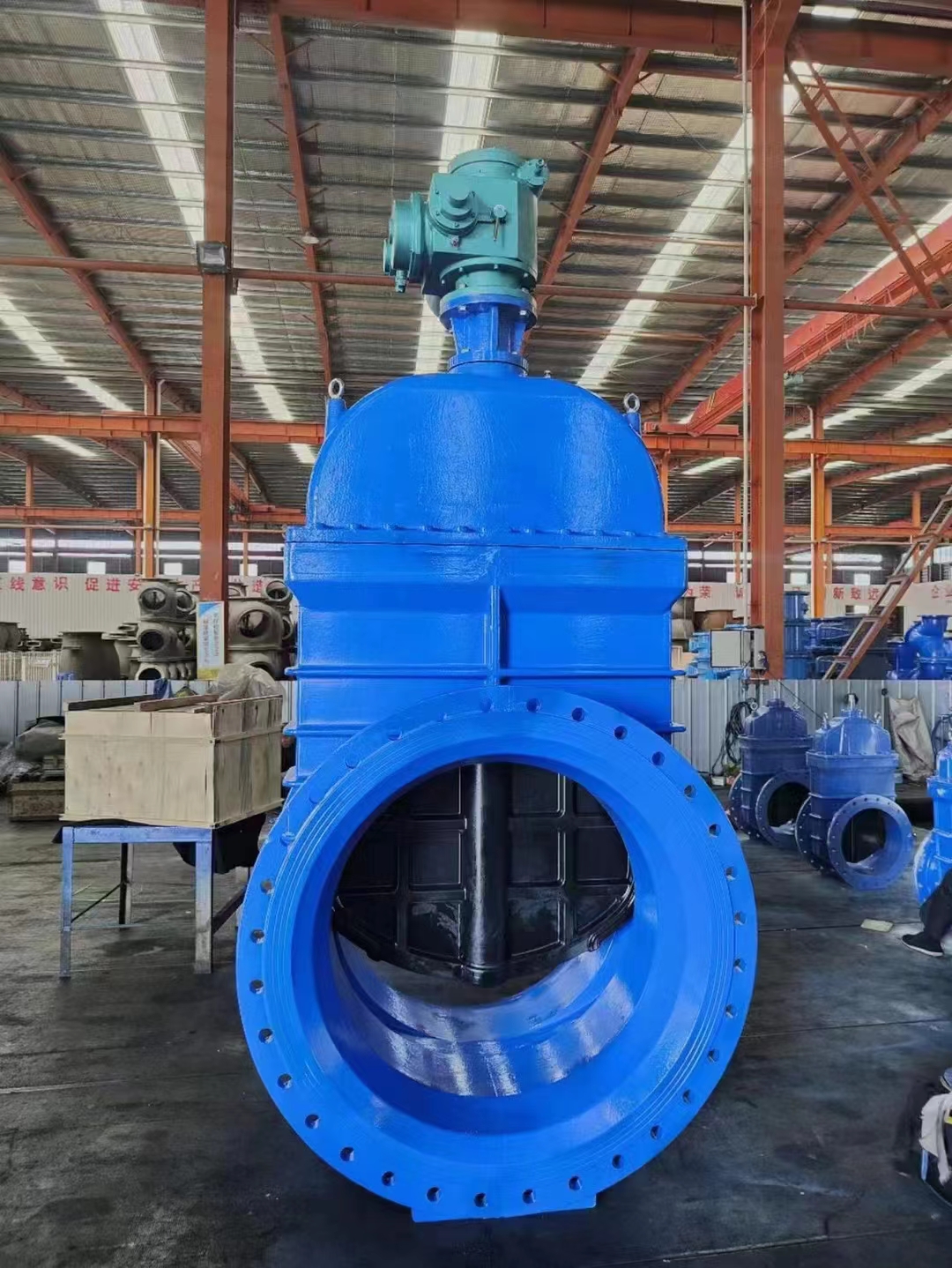
Gate Valve | Fully open or fully closed, cuts off media flow, not used for regulation. | Low resistance. | Isolation of chilled water/cooling water mains, pump inlet and outlet.
Block Valve | Regulates and shuts off; regulation performance is better than gate valves, but resistance is higher. | Small-diameter pipelines requiring precise flow regulation, such as branch lines, before instruments.
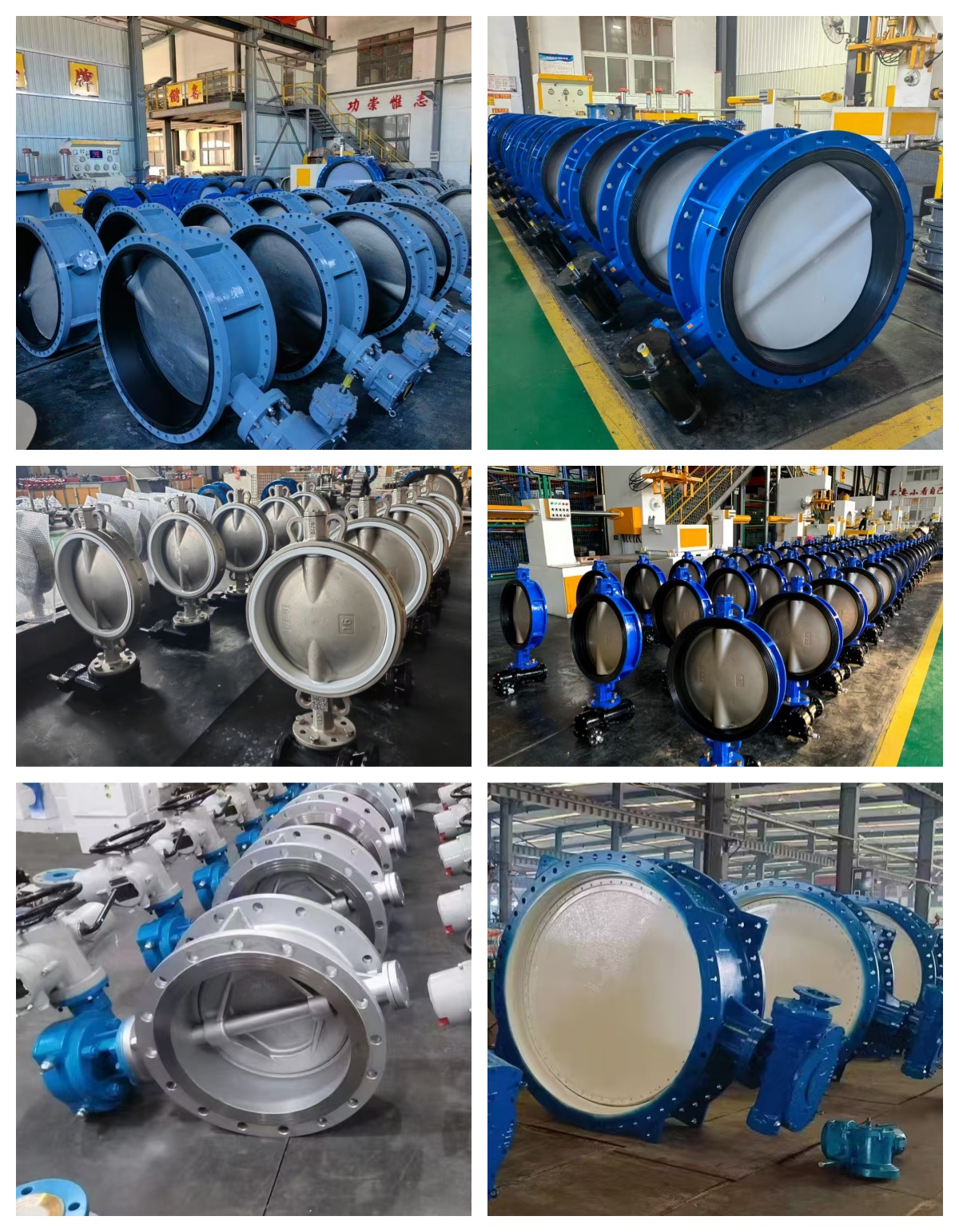
Butterfly Valve | Regulates and shuts off; compact structure, quick opening and closing, regulation characteristics are approximately equal percentage. | Good economy for large diameters. | Most commonly used, widely applied in mains, branch lines, and fan coil unit inlet and outlet of air conditioning water systems.
Ball Valve | Quick shut-off (can also be used for regulation), good sealing, easy operation. | Applications requiring quick shut-off, such as water supply points, before air vents, equipment inlet and outlet.
Balancing Valve:Performs hydraulic balancing and measurement, featuring a measuring port and precise opening indication. Used for commissioning and eliminating hydraulic imbalances. Utilizes the return water ends of parallel loops in the system (e.g., branch lines between different floors or areas).
Dynamic Balancing Electric Regulating Valve:Maintains constant flow rate under system pressure fluctuations and adjusts as needed. An advanced, high-end solution. Used on the water supply lines of terminal equipment such as fan coil units, air handling units, and fresh air units.
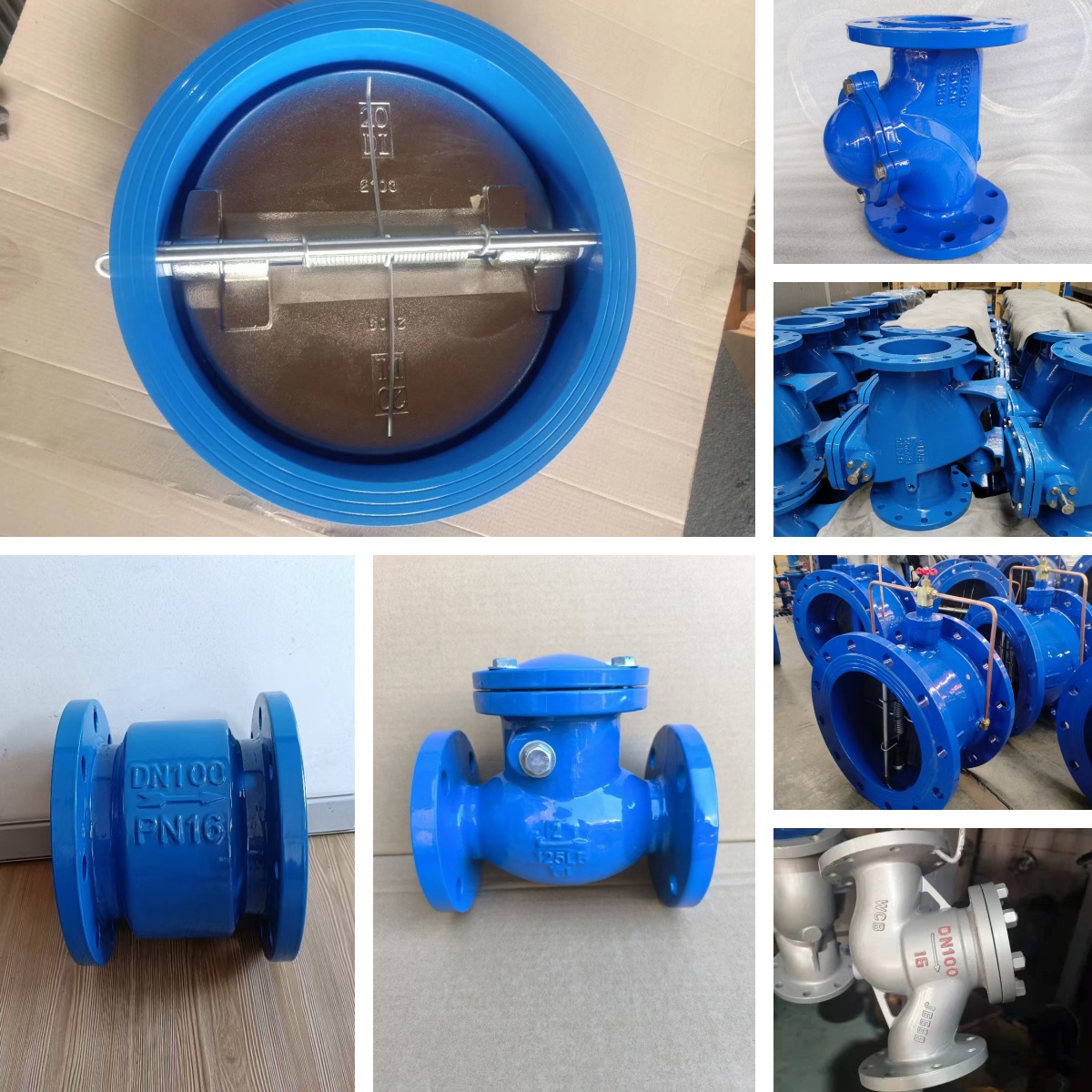
Check Valve:Prevents backflow of the medium. Used at pump outlets and locations where backflow may occur in the system.
Differential Pressure Control Valve: Maintains a constant pressure difference between two points in the pipeline, eliminating the effects of pressure fluctuations. Used between manifolds, bypass pipes requiring a constant pressure difference, and at specific locations on the main pipeline.
Safety Valve/Pressure Relief Valve:Provides overpressure protection, automatically opening to relieve pressure when the pressure exceeds a set value. Used on pressure-bearing equipment such as boilers, pressure vessels, and heat exchangers.
**Electric/Pneumatic Regulating Valve:** Receives control signals (e.g., 0-10V, 4-20mA) and automatically and continuously adjusts the opening degree for precise control. Connected to the building automation system, it is used for precise temperature and humidity control of the cooling/heating coil water circuit.
Three-way valve: Diverts or merges flow, changing the temperature of the mixed medium. Used on the primary side of heat exchangers, mixing systems, and cold/heat storage systems.
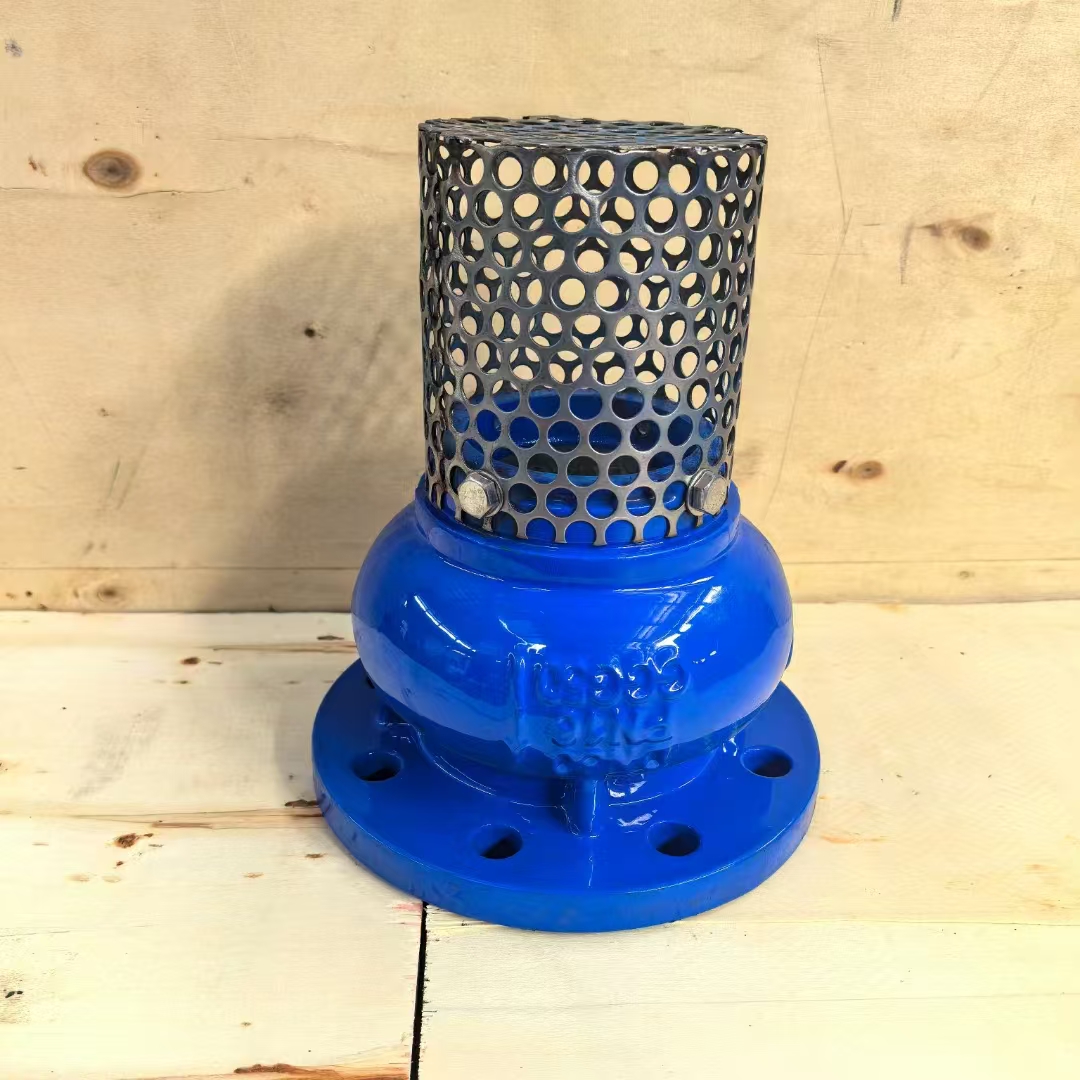
Y-type filter: Filters impurities, protecting downstream equipment (such as pumps, valves, and heat exchangers). Must be installed before the pump inlet, and at the inlet of important equipment (such as chillers and control valves).
Automatic air vent valve: Removes accumulated air from the system, ensuring normal system operation. Used at the highest point of the system, local high points, and the top of rising sections of pipes.
II. Valve Selection Considerations for Different Operating Conditions
1. Air Conditioning Chilled Water/Hot Water System
· Terminal Equipment Control (FCU, AHU):
· Traditional Solution: Two-way electric regulating valve + manual balancing valve. The electric valve adjusts the flow rate according to room temperature, and the balancing valve is used for initial adjustment to fix the resistance.
· Advanced Solution: Dynamic balancing electric regulating valve. One valve serves two purposes, effectively solving the problem of mutual interference at the terminal, saving energy and providing more stable control. • System Balancing: Install static balancing valves on the return water branch pipes and perform professional hydraulic balancing adjustments.
• Main Pipe Isolation: Use butterfly valves or gate valves.
• Constant Differential Pressure: Install differential pressure control valves in the manifold room or specific areas of the variable flow system to stabilize the system differential pressure.
2. Cooling Water System
• Chiller Unit Protection: Install isolation valves (butterfly valves) on the inlet and outlet pipes for easy maintenance.
• Backflow Prevention: Install check valves on the cooling tower inlet and outlet pipes and at the pump outlet.
• Flow Control: When multiple chiller units are connected in parallel, ensure the designed flow rate of each unit through balancing valves or flow restrictor orifices.
• Sewage/Make-up: Use ball valves for easy operation.
3. Steam and Condensate System (High Temperature and High Pressure)
• Higher requirements for valve material and pressure rating.
• Steam Shutdown and Regulation: Use gate valves (small diameter) or steam-specific butterfly valves (large diameter) for high sealing performance. • Drainage: Use a steam trap (not a regular valve) to automatically drain condensate and prevent steam leakage.
• Pressure Reduction: Use a pressure reducing valve to reduce high-pressure steam to the pressure required by the equipment.
4. Heating System (Hot Water/Steam)
• Similar to air conditioning hot water systems, but attention must be paid to high-temperature operating conditions.
• Individual Metering/Control: Use thermostatic control valves (self-regulating thermostatic valves) or manual regulating valves before the radiators or manifolds in each household.
III. Core Principles and Precautions
1. Valve Authority: The ideal operating condition for a regulating valve is a valve authority (the ratio of the pressure difference across the valve to the total system pressure difference) ≥ 0.5. Too low a valve authority will lead to deteriorated regulating performance (a small change in valve opening will cause a drastic change in flow rate), or even failure. This is a key parameter that must be checked when selecting valves and designing systems.
2. Flow Characteristics:
• Linear Characteristics: Flow rate is linearly related to opening. Suitable for situations where the pressure difference is essentially constant.
• Equal percentage characteristic: The rate of change in flow rate caused by a unit change in opening is equal, resulting in high regulation accuracy. Ideal for HVAC systems, as these systems operate under partial load most of the time, providing a wider effective regulation range.
3. Cv/Kv value: Valve flow capacity. Selection must be based on design flow rate and allowable pressure drop to avoid under-powered or over-powered valves leading to inaccurate control.
4. Material and connection method:
• Common valve body materials: Cast iron, cast steel, brass, stainless steel. Selection depends on the medium (water, glycol solution, steam) and temperature/pressure.
• Connection methods: Threaded, flanged, wafer, welded. Large-diameter pipes often use flanged or wafer types.
5. Installation requirements:
• Filters must be installed upstream of regulating valves, pumps, etc.
• Pay attention to the flow direction indicated by the valve; do not install in reverse (e.g., gate valves, check valves, Y-type filters, etc.). • Ensure sufficient straight pipe sections before and after the valve to guarantee accurate flow measurement (especially for balancing valves).
Summary
In HVAC systems, valves are far more than simple "on/off switches." They constitute a precise control system involving hydraulic balance, dynamic regulation, system stability, and high energy efficiency. In modern intelligent buildings, the integration of electric regulating valves with building automation systems, along with the application of dynamic balancing technology, has become crucial for achieving precise temperature control and deep energy savings.
When selecting valves, it is essential to comprehensively consider multiple dimensions, including functional requirements, operating parameters (temperature/pressure/medium), regulating performance, system hydraulic characteristics, and cost.